Fever, headache, body aches or a sore throat can make even an ordinary day difficult. During cold and flu season — and particularly during the monsoon, when fever and infections are common concerns — paracetamol is a medicine many people are familiar with.
But familiarity can sometimes lead to careless use.
Paracetamol can provide effective relief from pain and fever when used according to the recommended directions. At the same time, taking too much or unknowingly combining multiple medicines containing paracetamol can cause serious health problems.
So, what exactly is paracetamol, when is it used, and what mistakes should you avoid?
Paracetamol is a commonly used medicine for the temporary relief of pain and reduction of fever. It is known as acetaminophen in countries such as the United States. It is available in different forms and strengths, including tablets, capsules and liquid medicines.
Paracetamol is commonly used to manage symptoms rather than treat the underlying cause of an illness.
For example, it may help reduce a fever or headache associated with a viral illness, but it does not cure the infection causing those symptoms.
It is also important to remember that paracetamol is not an antibiotic and should not be used as a replacement for treatment prescribed for a bacterial infection.
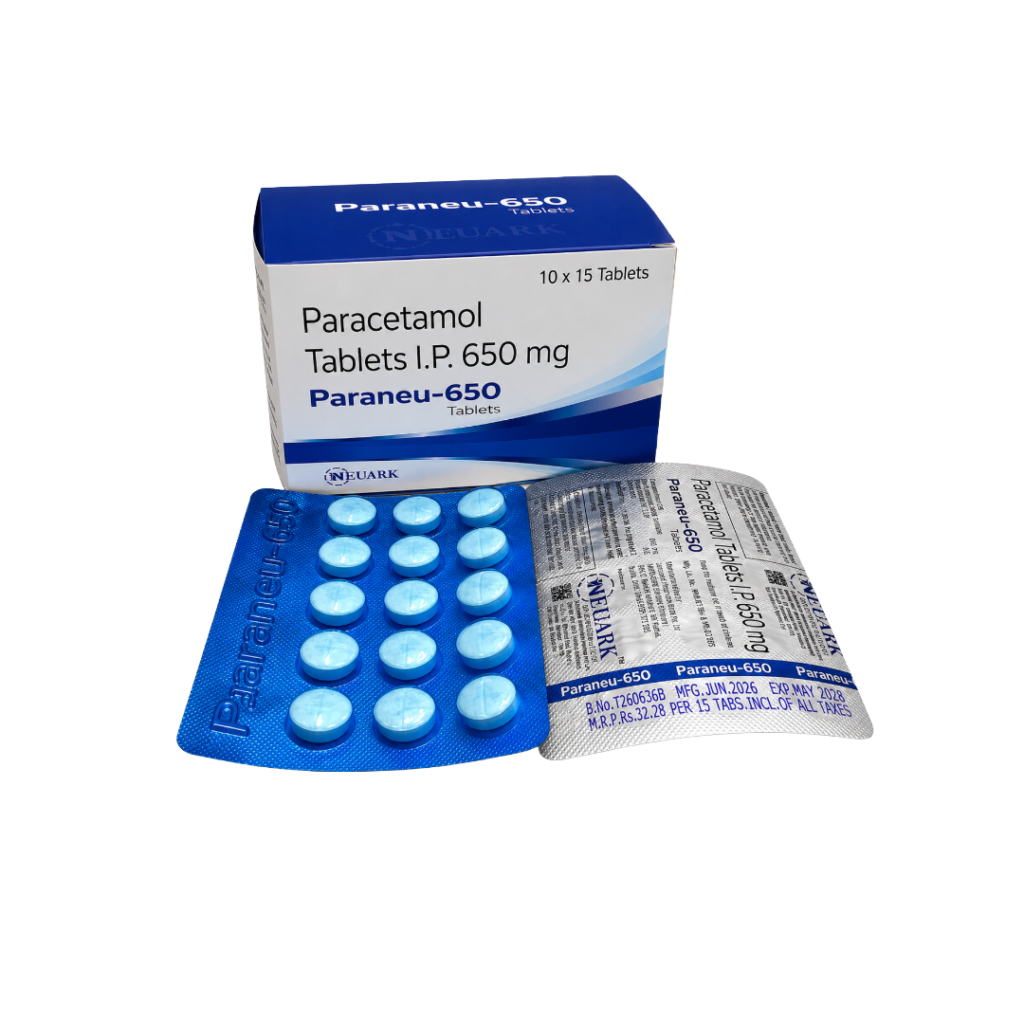
Paracetamol may be used for short-term relief of common symptoms such as:
The appropriate product and dose can depend on factors such as age, body weight, the strength of the medicine and individual health conditions. Always check the product label or seek advice from a doctor or pharmacist if you are unsure.
Monsoon weather can bring an increase in mosquito-borne illnesses and other infections in many regions.
A fever accompanied by headache, body pain, nausea or rash should not automatically be assumed to be a simple viral fever. Dengue, for example, can cause high fever, headache, muscle and joint pain, nausea and rash.
For people with suspected or confirmed dengue, the World Health Organization recommends paracetamol for managing fever and pain and advises avoiding medicines such as aspirin and ibuprofen because they can increase the risk of bleeding.
However, paracetamol only helps manage symptoms. It does not treat dengue itself. Anyone with concerning symptoms should seek medical care rather than relying on self-medication.
One of the most effective ways to reduce mosquito breeding is to eliminate unnecessary standing water.
Check your home and surroundings regularly for water collected in:
Empty, clean or properly cover water-holding containers wherever possible.
If water must be stored, keep containers properly covered.
Open containers can provide mosquitoes with an opportunity to lay eggs. Secure lids and proper storage can help reduce this risk.
Installing mosquito screens on windows and doors can provide a physical barrier between mosquitoes and family members.
Check screens regularly for:
Repair damaged screens promptly.
When mosquitoes are active, wearing clothing that covers the arms and legs can reduce exposed skin.
For outdoor activities, consider:
Light-coloured clothing can also make mosquitoes easier to spot.
Mosquito repellents can provide additional protection when used according to their product instructions.
Depending on the product, repellents may be available as:
Always follow the label instructions and use products appropriately, especially around children.

Searching online for a single “paracetamol dosage” can be misleading.
The appropriate amount can depend on:
For example, NHS guidance gives specific instructions for common adult 500 mg tablets, while also noting that people weighing less than 50 kg may require a lower dose.
Therefore, always follow the instructions for the exact product you are using rather than copying a dose from another medicine or another person’s prescription.
For children, dosing is especially important because medicines may be selected and measured according to age, weight and formulation. Adult dosing should never simply be applied to a child.
An excessive amount of paracetamol can cause serious liver injury and, in severe cases, liver failure.
One reason accidental overdosing happens is that people may unknowingly combine several medicines containing the same active ingredient.
Possible warning symptoms can include nausea, vomiting, abdominal discomfort and later signs of liver injury such as yellowing of the skin or eyes. However, the absence of symptoms does not mean an overdose is safe.
If you suspect an overdose, seek urgent medical attention.
A few simple habits can make a significant difference:
Read the label
Check the active ingredient, strength, recommended dose and dosing interval.
Check your other medicines
Especially check cold, flu and pain-relief products for paracetamol or acetaminophen.
Keep track of doses
If you are taking medicine several times a day, recording each dose can help prevent accidental repeat dosing.
Use the correct measuring device
For liquid medicines, use the measuring syringe, spoon or cup supplied with the product rather than estimating the amount with a kitchen spoon.
Ask a pharmacist
If you are unsure whether two medicines can be taken together, a pharmacist can help identify duplicate ingredients.
Don’t increase the dose yourself
If your pain or fever is not improving, find out why rather than simply taking more medicine.
Get the Neuark Pharmaceutical Product Catalogue, Price List, and Franchise Details on WhatsApp and explore profitable PCD Pharma Franchise opportunities today.
No. Paracetamol is primarily used to relieve pain and reduce fever. It does not treat bacterial infections.
Paracetamol is commonly used for temporary relief of mild to moderate pain and to reduce fever.
Yes. It can help reduce fever when used according to the appropriate product instructions.
Some cold and flu medicines already contain paracetamol. Check the active ingredients before combining products to avoid taking too much.
Paracetamol can be safe and effective when used according to the directions. Taking more than recommended can cause serious liver injury.
Paracetamol is a familiar medicine, but it should always be used with care. Checking the label, following the recommended dose, avoiding duplicate medicines containing paracetamol, and understanding when to seek medical advice can help prevent common medication mistakes.
During the monsoon, fever and body aches may have several possible causes, including infections such as dengue. Paracetamol can help manage symptoms, but it does not treat the underlying illness. If symptoms are persistent, severe, or unusual, professional medical evaluation is important.
At Neuark Pharmaceutical, we believe better healthcare begins with better awareness. Understanding commonly used medicines and using them responsibly is an important step toward safer, more informed healthcare decisions.
Mosquito prevention works best when the entire household participates. A few minutes spent checking the home and surroundings regularly can make mosquito control an important part of a family’s monsoon health routine.
Neuark Pharmaceutical believes that health awareness and responsible healthcare practices play an important role in building healthier communities.
Copyright © 2026 Neuark Pharmaceutical All Rights Reserved