A well-organized home medicine cabinet can help families handle common minor health situations without unnecessary last-minute trips to a pharmacy. However, keeping a home healthcare kit does not mean storing every medicine or using medication without proper guidance.
The goal should be simple: keep a small selection of appropriate healthcare essentials, check them regularly, store them safely, and know when professional medical advice is needed.
From basic fever and pain relief options to oral rehydration products and first-aid supplies, the right essentials can make a household better prepared for everyday health needs.
Important: This article is for general health education. Medicine selection and use can vary according to age, medical history, allergies, pregnancy, existing medicines and other individual factors. Always read the product label and consult a doctor or pharmacist when appropriate.
There is no single medicine cabinet that works for every family. Children, older adults and people with ongoing health conditions may have different healthcare requirements, so the products kept at home should be selected according to the needs of the people living in the household.
A well-prepared home medicine cabinet should focus on basic healthcare essentials for common, minor situations, rather than storing a large number of medicines. It can include suitable fever and pain relief options, oral rehydration products, first-aid supplies, a thermometer and other commonly needed healthcare products.
It is also important to remember that not every medicine is suitable for every person.
Here are some useful categories to consider.
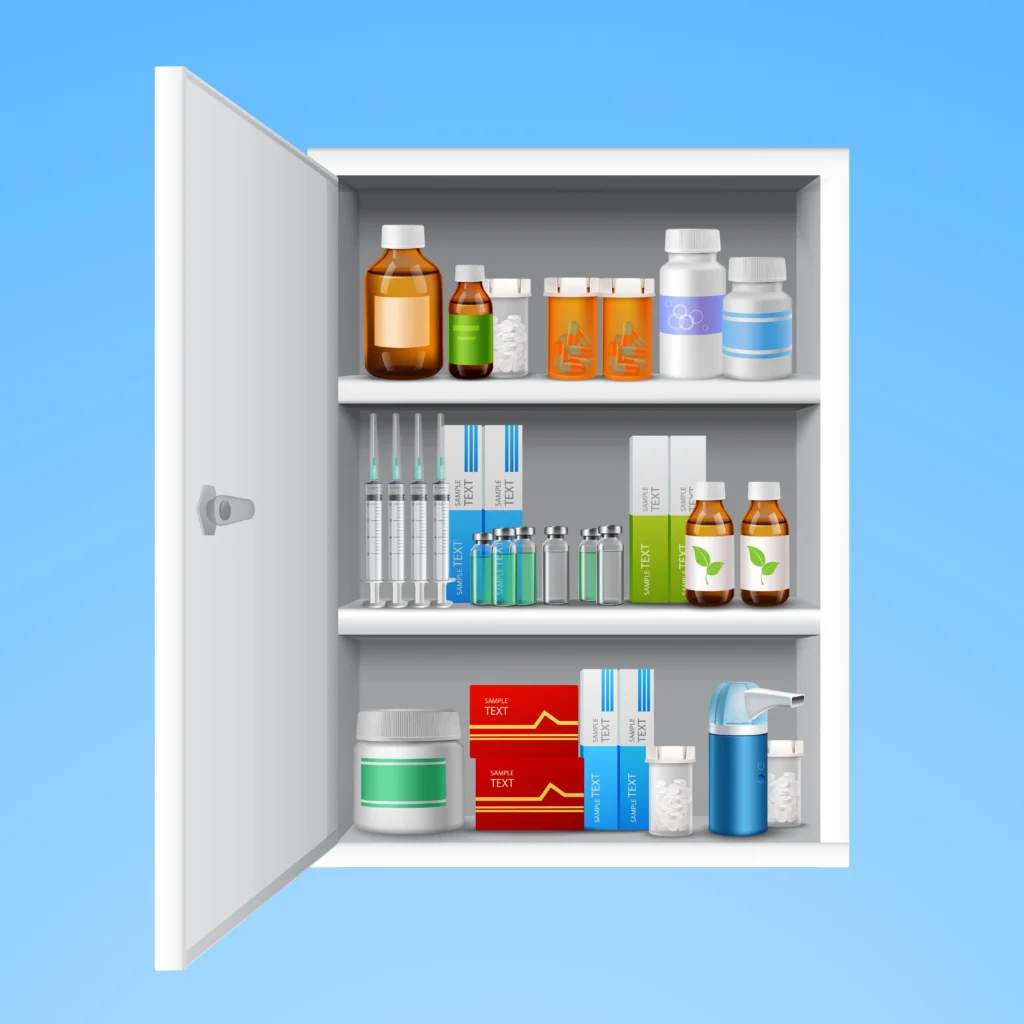
Fever, headaches, body aches and minor pain are common reasons people reach for their home medicine cabinet.
A suitable over-the-counter pain or fever medicine may be useful for some households. Paracetamol, for example, is commonly used for pain and fever, but it should always be taken according to the product label or advice from a healthcare professional.
Before using any medicine, check:
It is also important to avoid accidentally taking multiple products containing the same active ingredient.
ORS is an important household healthcare product, particularly when fluid and electrolyte replacement is needed because of dehydration associated with conditions such as diarrhoea or vomiting.
Keeping commercially prepared ORS available can be useful for households, especially during periods when dehydration may become a concern.
However, severe dehydration requires medical attention. Signs such as extreme weakness, confusion, very little urination or inability to keep fluids down should not be managed solely with a home medicine kit.
A home healthcare kit should contain more than medicines.
Useful first-aid supplies can include:
These products can help with minor cuts, scrapes and other everyday first-aid situations.
For deep wounds, uncontrolled bleeding, serious burns or significant injuries, seek prompt medical care rather than relying on a household first-aid kit.
A digital thermometer is one of the simplest and most useful healthcare products to keep at home.
Feeling warm does not always tell you accurately whether someone has a fever. A thermometer provides an objective temperature reading that can help you monitor changes.
When using a thermometer, follow the manufacturer’s instructions and clean it appropriately after use.
Some households may benefit from keeping an appropriate antihistamine or other allergy-relief medicine, particularly if a family member has a history of mild seasonal or environmental allergies.
However, not every allergy symptom should be treated in the same way.
Always check:
For breathing difficulty, swelling of the lips or tongue, fainting or other signs of a severe allergic reaction, seek emergency medical help immediately.
Occasional digestive discomfort can occur after changes in diet or other everyday circumstances.
Depending on the household’s needs, a pharmacist or doctor may recommend appropriate products for issues such as occasional acidity, indigestion or diarrhoea.
Rather than keeping several unnecessary medicines, it is better to choose products based on the actual needs of your household and understand how they should be used.
Persistent, severe or recurring digestive symptoms should be evaluated by a healthcare professional.
Coughs and colds are common, particularly during seasonal changes.
A household may keep suitable products for temporary symptom relief, but cough and cold medicines are not appropriate for everyone, especially young children.
Always check the age-specific instructions and active ingredients before use. Avoid combining multiple cold products without checking whether they contain overlapping ingredients.
If symptoms are severe, persistent or accompanied by breathing difficulty, chest pain or other concerning signs, medical evaluation may be necessary.
Prescription medicines should be handled differently from general household essentials.
If a family member takes regular prescription medication for an ongoing condition, the household should maintain an adequate supply according to the prescribing doctor’s instructions.
Keep these medicines:
Never share prescription medicines between family members, even when their symptoms appear similar.
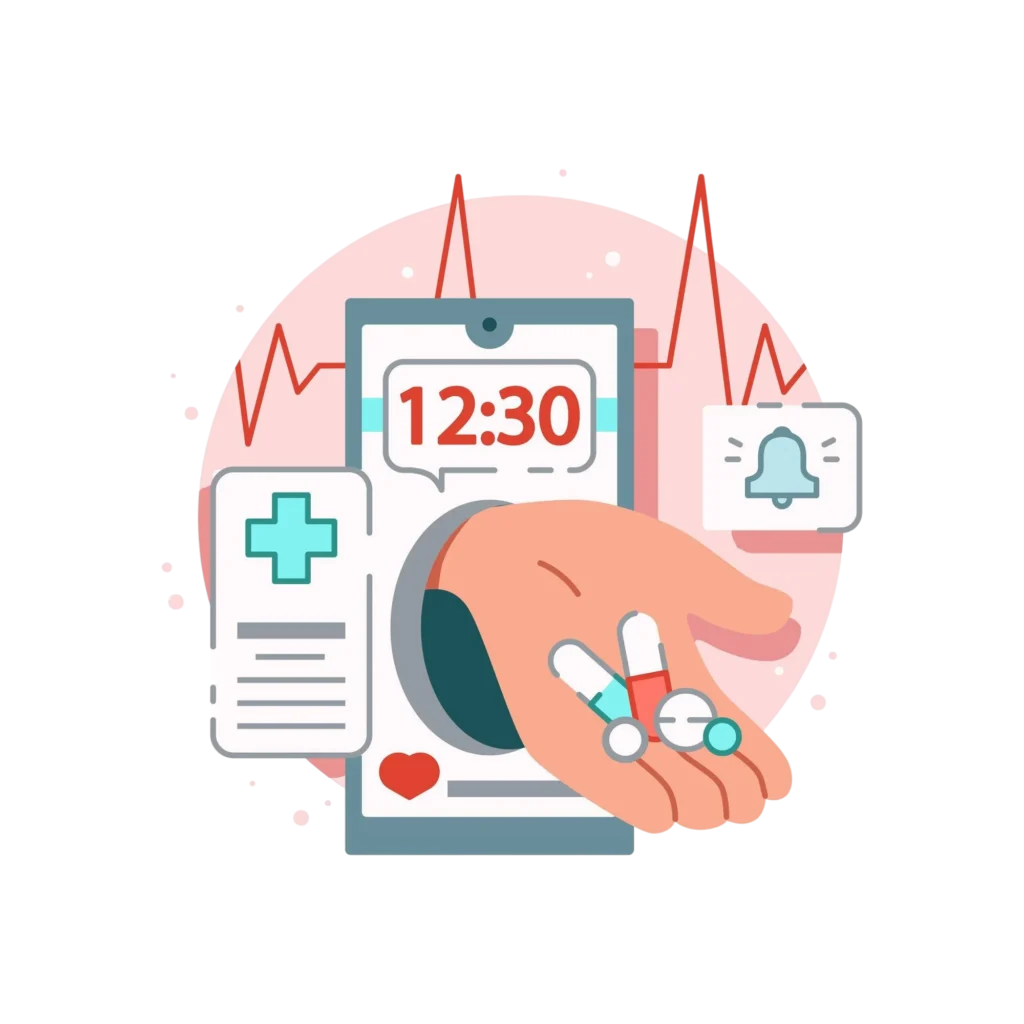
A responsible medicine cabinet is not about collecting as many medicines as possible.
Avoid keeping unnecessary quantities of:
Unused medicines can create risks if they are accidentally taken by children or used by someone for whom they were not intended.
Proper storage is an important part of responsible medicine use.
Most medicines should be kept according to the storage instructions printed on their packaging. Many products are best stored in a cool, dry place away from excessive heat and moisture, while some medicines require specific storage conditions.
Original packaging helps you identify the medicine, strength, expiry date and usage information.
Store medicines somewhere children cannot easily see or reach them. A locked cabinet may be appropriate where necessary.
Bathrooms can expose medicines to humidity, while excessive heat can affect certain products. Always follow the product’s specific storage instructions.
Do not use medicines if the packaging is damaged or the product looks unusual.
A medicine cabinet can become cluttered surprisingly quickly.
Make it a habit to review your household healthcare supplies periodically.
Check:
Expiration dates matter because they indicate the period during which a medicine is expected to retain its quality, strength and stability under the labelled storage conditions.
Never use an expired medicine simply because it looks normal.
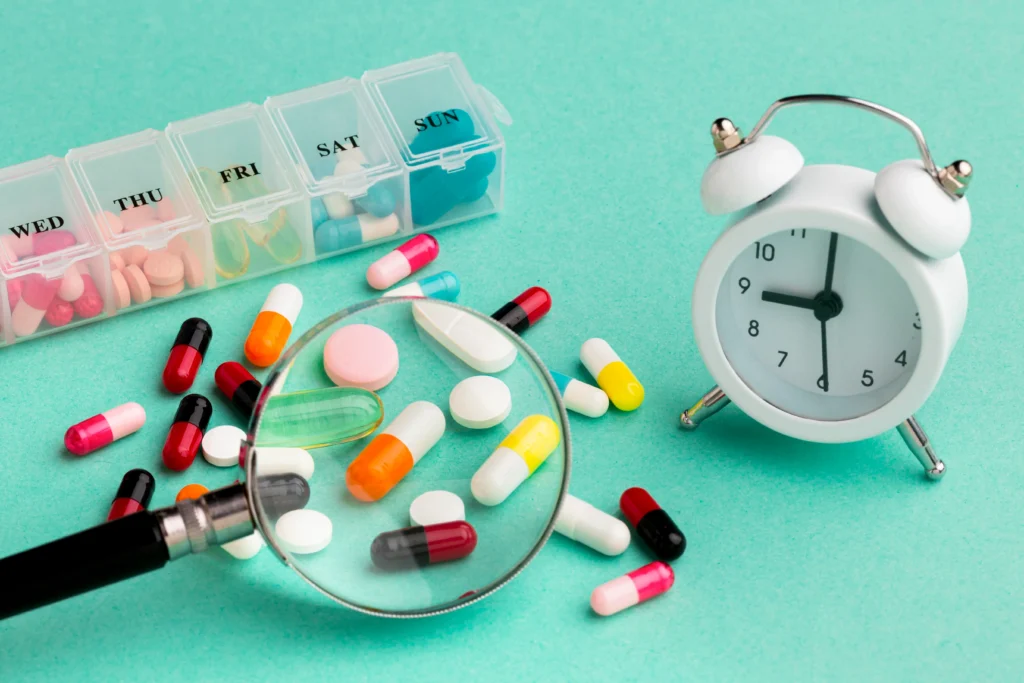

One of the simplest medicine-safety habits is also one of the most important: read the label every time.
Check the:
OTC medicine labels provide important information about what the product is intended to treat, who should use it and how it should be used.
If you are unsure about a medicine or its interaction with another product, speak with a doctor or pharmacist.
A home medicine cabinet is useful for minor and straightforward health situations, but it should never delay necessary medical care.
Seek professional medical attention when:
For emergencies, contact your local emergency medical service rather than attempting to manage the situation with household medicines.
You can use this basic checklist when organizing your household healthcare supplies:
| Category | Example |
|---|---|
| Fever & pain relief | Appropriate OTC option |
| Hydration | ORS |
| First aid | Transparent communication |
| Basic service | Bandages, gauze, tape |
| Wound care | Suitable antiseptic product |
| Monitoring | Digital thermometer |
| Cough & cold | Age-appropriate symptom-relief product |
Remember: The exact contents should be based on your family’s age, health needs and advice from a healthcare professional.
Keeping essential medicines and healthcare products at home can make it easier to respond to common minor health needs, but responsible medicine use matters just as much as having the right products.
A useful home medicine cabinet should be organized, regularly checked and safely stored. Keep medicines in their original packaging, follow the label, monitor expiry dates and ask a doctor or pharmacist when you are uncertain.
The goal is not to stock every medicine available. It is to keep the right healthcare essentials for your household while knowing when professional medical care is needed.
A household may consider keeping appropriate fever and pain relief products, ORS and basic first-aid supplies. The exact medicines should depend on the family’s needs and should be used according to the label or professional advice.
No. Antibiotics should not be kept for self-treatment or shared between family members. Their use should follow appropriate medical advice.
Store medicines according to their labelled storage requirements, generally in a cool, dry and secure location away from children. Some medicines have specific temperature or refrigeration requirements.
A regular review helps you identify expired medicines, damaged packaging and supplies that need replacement. A yearly check is a useful minimum, with additional checks whenever medicines are used frequently.
It is best not to use expired medicines. Expiration dates indicate the period during which a medicine is expected to remain stable under the specified storage conditions
Not necessarily. Age, weight, medical conditions, allergies, other medicines and the specific product can affect whether a medicine is appropriate. Check the label and consult a healthcare professional when needed.
Copyright © 2026 Neuark Pharmaceutical All Rights Reserved