
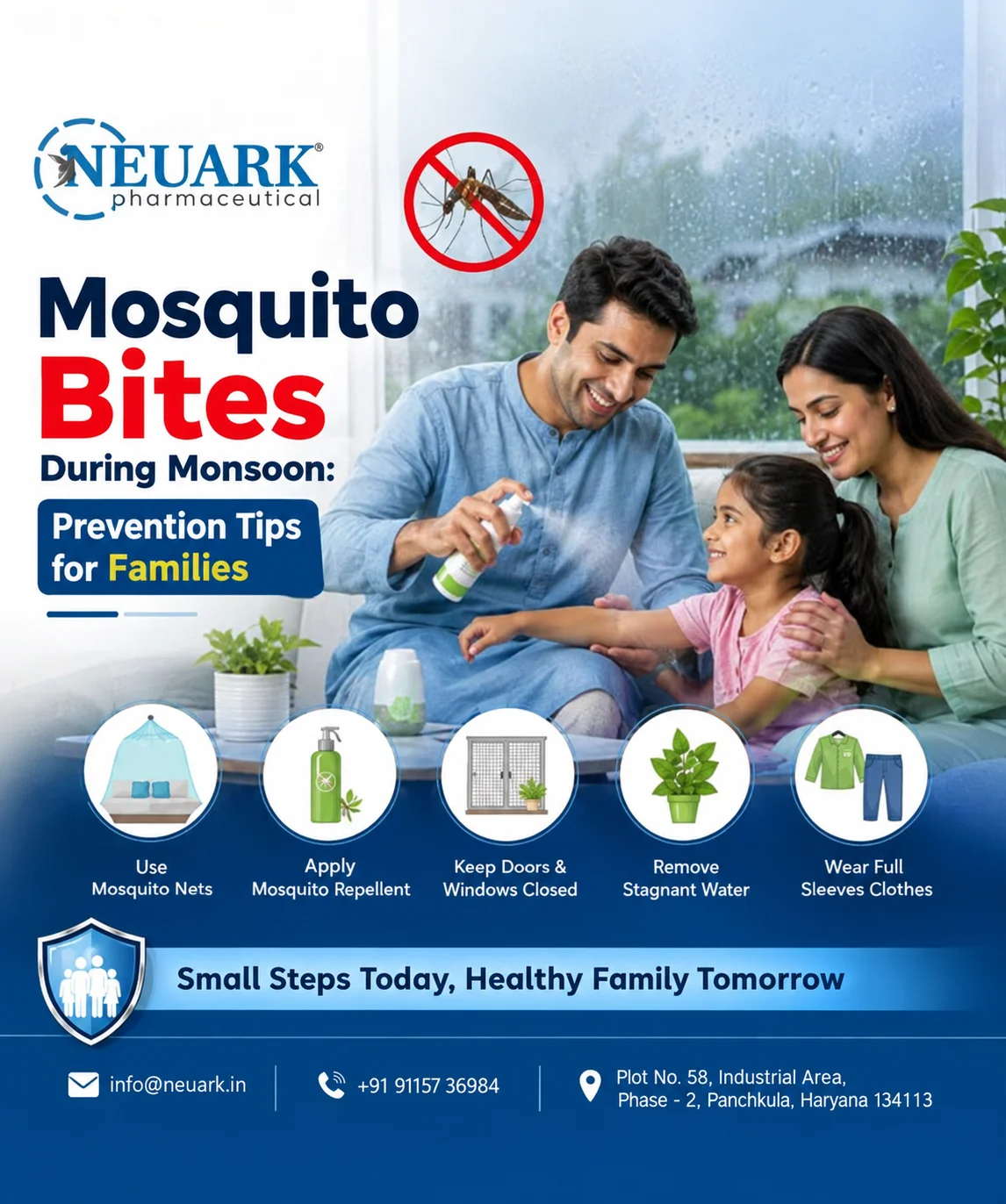
Mosquito Bites During Monsoon: Prevention Tips for Families
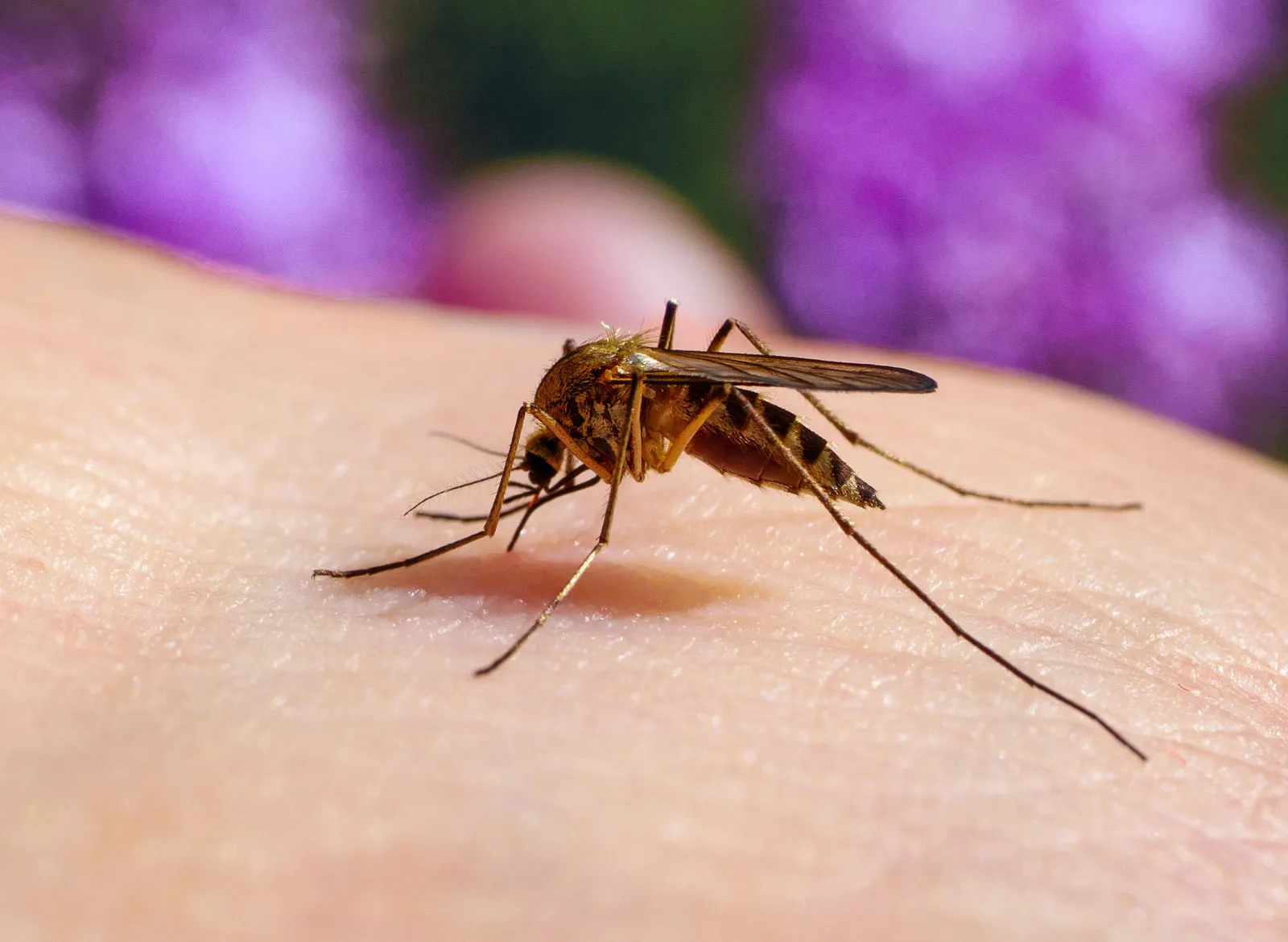
The monsoon season brings relief from summer heat, but increased rainfall and stagnant water can also create favourable breeding conditions for mosquitoes. As mosquito populations increase, families may face a higher risk of mosquito bites and mosquito-borne illnesses.
Understanding how to prevent mosquito bites during monsoon can help families reduce unnecessary exposure and maintain a healthier home environment.
Simple measures such as removing stagnant water, using physical barriers, keeping surroundings clean and taking appropriate personal precautions can significantly reduce mosquito exposure.
Why Do Mosquitoes Increase During Monsoon?
Mosquitoes require water to complete their breeding cycle. During the rainy season, water can collect in places such as:
- Flower pots and plant trays
- Buckets and containers
- Discarded tyres
- Open tanks
- Coolers
- Drains and gutters
- Construction sites
- Roofs and other outdoor areas
Even small amounts of standing water can provide suitable breeding conditions for some mosquito species.
Regularly checking and removing stagnant water around the home is therefore an important part of monsoon mosquito prevention.
What Health Problems Can Mosquito Bites Cause?
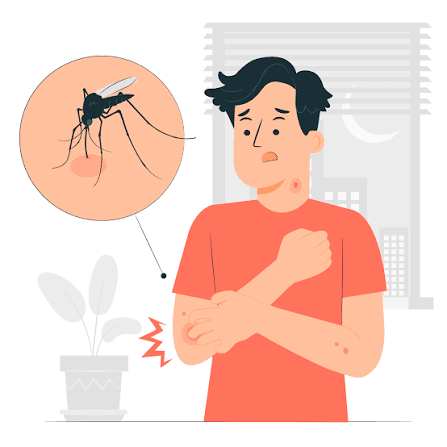
Most mosquito bites cause temporary irritation, itching or redness. However, mosquitoes can also transmit certain infectious diseases.
Depending on the mosquito species and local disease activity, mosquito-borne diseases may include:
- Dengue
- Malaria
- Chikungunya
- Japanese encephalitis
- Other mosquito-borne infections
The symptoms and severity of these illnesses can vary. Fever, headache, body aches, unusual weakness or other concerning symptoms should not be ignored, particularly when mosquito-borne diseases are circulating in the community.
10 Ways to Prevent Mosquito Bites During Monsoon
Several health conditions receive increased attention during the rainy season. Understanding their common symptoms and prevention measures can help people take timely action.
1. Remove Stagnant Water Regularly
One of the most effective ways to reduce mosquito breeding is to eliminate unnecessary standing water.
Check your home and surroundings regularly for water collected in:
- Plant pots
- Buckets
- Containers
- Tyres
- Coolers
- Drainage areas
- Roof spaces
Empty, clean or properly cover water-holding containers wherever possible.
2. Keep Water Storage Containers Covered
If water must be stored, keep containers properly covered.
Open containers can provide mosquitoes with an opportunity to lay eggs. Secure lids and proper storage can help reduce this risk.
3. Use Window and Door Screens
Installing mosquito screens on windows and doors can provide a physical barrier between mosquitoes and family members.
Check screens regularly for:
- Holes
- Loose edges
- Gaps
- Damaged frames
Repair damaged screens promptly.
4. Wear Protective Clothing
When mosquitoes are active, wearing clothing that covers the arms and legs can reduce exposed skin.
For outdoor activities, consider:
- Long-sleeved shirts
- Full-length trousers
- Socks
- Appropriate footwear
Light-coloured clothing can also make mosquitoes easier to spot.
5. Use Appropriate Mosquito Repellents
Mosquito repellents can provide additional protection when used according to their product instructions.
Depending on the product, repellents may be available as:
- Creams or lotions
- Sprays
- Other topical formulations
- Mosquito-repellent devices
Always follow the label instructions and use products appropriately, especially around children.
How to Reduce Mosquito Breeding Around Your Home
Mosquito prevention is not only about protecting yourself from bites. Reducing breeding sites is equally important.
Follow a weekly mosquito-control routine:
Inspect: Look for standing water.
Empty: Remove water from unnecessary containers.
Clean: Clean water-holding areas regularly.
Cover: Keep water-storage containers covered.
Dispose: Remove discarded objects that can collect rainwater.
Maintain: Keep drains and surrounding areas appropriately maintained.
This simple routine can help make your home environment less suitable for mosquito breeding.
Mosquito Prevention Tips for Apartments
People living in apartments should also pay attention to shared areas.
Potential mosquito breeding locations may include:
- Terraces
- Parking areas
- Community gardens
- Water-storage areas
- Construction zones
- Drainage systems
- Plant containers
Residents can work with building management or local authorities when persistent stagnant-water problems are identified.
Mosquito Prevention Tips for Children
Children can be particularly vulnerable to mosquito exposure because of outdoor play and limited awareness.
Parents can encourage children to:
- Wear appropriate clothing outdoors
- Avoid playing near stagnant water
- Use suitable mosquito protection
- Sleep in mosquito-protected areas
- Inform an adult if they develop fever or feel unwell
Teaching children these habits early can make mosquito prevention part of their normal routine.
What Should You Do After a Mosquito Bite?
Most mosquito bites cause mild local reactions such as:
- Itching
- Redness
- Mild swelling
- Temporary irritation
Avoid excessive scratching because it can damage the skin and potentially increase the risk of secondary infection.
Keeping the affected area clean and following appropriate general first-aid measures can help manage minor irritation.
If symptoms are severe, unusual or persistent, consult a healthcare professional.
When Should You Seek Medical Attention?
A mosquito bite itself does not confirm that someone has a mosquito-borne disease.
However, during periods of mosquito-borne disease activity, seek medical advice if someone develops concerning symptoms such as:
- Persistent or high fever
- Severe headache
- Significant body aches
- Repeated vomiting
- Unusual weakness
- Breathing difficulty
- Confusion
- Bleeding or unusual bruising
- Signs of dehydration
Do not rely on self-diagnosis. A healthcare professional can determine whether testing or further medical evaluation is appropriate.
Ready to Start Your Pharma Business?
Get the Neuark Pharmaceutical Product Catalogue, Price List, and Franchise Details on WhatsApp and explore profitable PCD Pharma Franchise opportunities today.
Frequently Asked Questions About Monsoon Health
Mosquito populations can increase during the rainy season because rainfall may create additional water-holding areas suitable for breeding. However, mosquito activity varies by species, location and environmental conditions.
Removing stagnant water, covering water containers, using window screens, wearing protective clothing and using appropriate mosquito repellents can help reduce mosquito exposure.
Certain mosquito species can transmit dengue virus. A mosquito bite alone does not mean that a person has dengue. Symptoms such as fever and body aches should be evaluated by a healthcare professional when dengue is suspected.
Water-holding areas should be checked frequently, particularly during the rainy season. Containers that can collect rainwater should be emptied, cleaned or covered as appropriate.
Use suitable protective clothing, mosquito nets where appropriate, screened sleeping areas and age-appropriate mosquito repellents according to product instructions.
Conclusion
Mosquito bites during monsoon can be reduced through simple and consistent preventive measures. Eliminating stagnant water, keeping water containers covered, maintaining clean surroundings, using physical barriers and taking appropriate personal protection can help families reduce mosquito exposure.
Mosquito prevention works best when the entire household participates. A few minutes spent checking the home and surroundings regularly can make mosquito control an important part of a family’s monsoon health routine.
Neuark Pharmaceutical believes that health awareness and responsible healthcare practices play an important role in building healthier communities.