A sudden, severe headache can be frightening, and it raises a hard question: is this a migraine, or is it a stroke? Both can cause pain in the head, vision changes and even numbness, which is why so many people confuse them. Knowing the key stroke vs migraine symptoms can help you act quickly when it matters most.
This guide explains how each condition usually feels, the warning signs that need a hospital right away, and what to do next. It is written for families across India, where stroke is a major cause of death and long-term disability.
Important: This article is for awareness only. It cannot tell you what is happening in your own body. If you are unsure, treat it as an emergency.
Migraine symptoms usually build up gradually over minutes, often with throbbing pain, nausea and sensitivity to light and sound. A stroke usually strikes suddenly, with weakness or numbness on one side of the body, a drooping face, slurred speech or sudden loss of vision. Because the two can look alike, any sudden, new or unusual neurological symptom should be treated as an emergency until a doctor says otherwise.
Doctors use the BE-FAST checklist to spot a stroke. Go to the nearest hospital emergency department immediately if you notice any of these, especially if they come on suddenly: B – Balance: sudden loss of balance, dizziness or trouble walking E – Eyes: sudden blurred vision, double vision or loss of vision in one or both eyes F – Face: one side of the face droops or feels numb, and the smile looks uneven A – Arm (or leg): sudden weakness or numbness, usually on one side of the body S – Speech: slurred speech, trouble finding words or trouble understanding others T – Time: note the time the symptoms began, and call for emergency help at once Also treat a sudden, very severe headache that feels unlike any you have had before as an emergency, particularly if it comes with vomiting, confusion, a stiff neck or loss of consciousness.
1.Call India’s emergency number (112) or your local ambulance service. Do not wait to see if it passes.
2.Note the exact time the symptoms started and tell the medical team.
3.Do not drive yourself. Let someone else take you or wait for the ambulance.
4.Do not give food, water or any medicine unless a doctor tells you to.
5.Keep the person lying comfortably and calm until help arrives.
Treatment for some strokes works best within a few hours of the first symptom, so every minute counts.
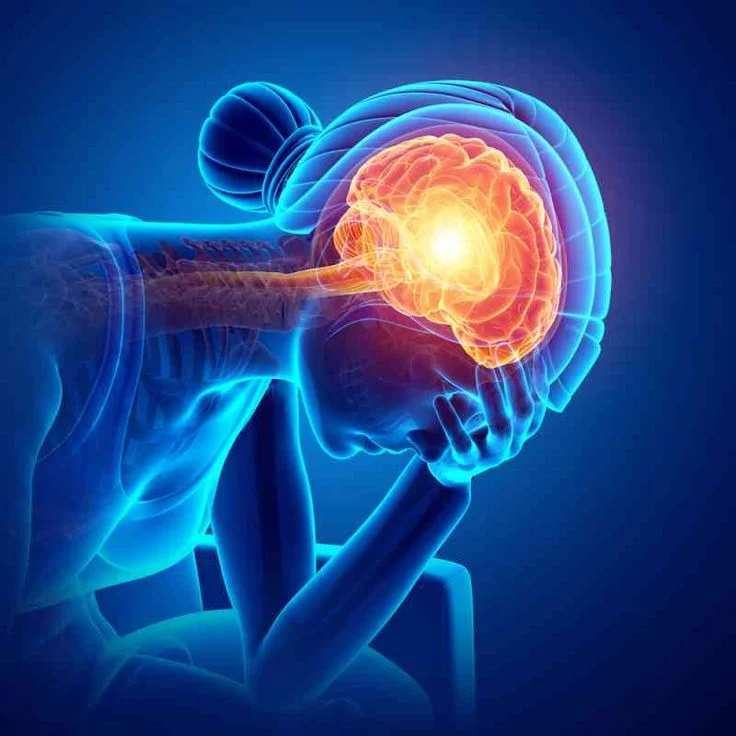
A migraine is a neurological condition that causes recurring headache attacks, often with other symptoms. It is not just a bad headache. An attack can last from several hours to a few days and can make normal activity difficult.
About one in three people with migraine have an aura. This is a short-lived disturbance, most often visual, that happens before or during the headache. It can include:
An aura typically develops gradually over several minutes and fades within about an hour. This slow build-up is one of the clues that separates it from a stroke, but it is not a rule you should rely on at home.
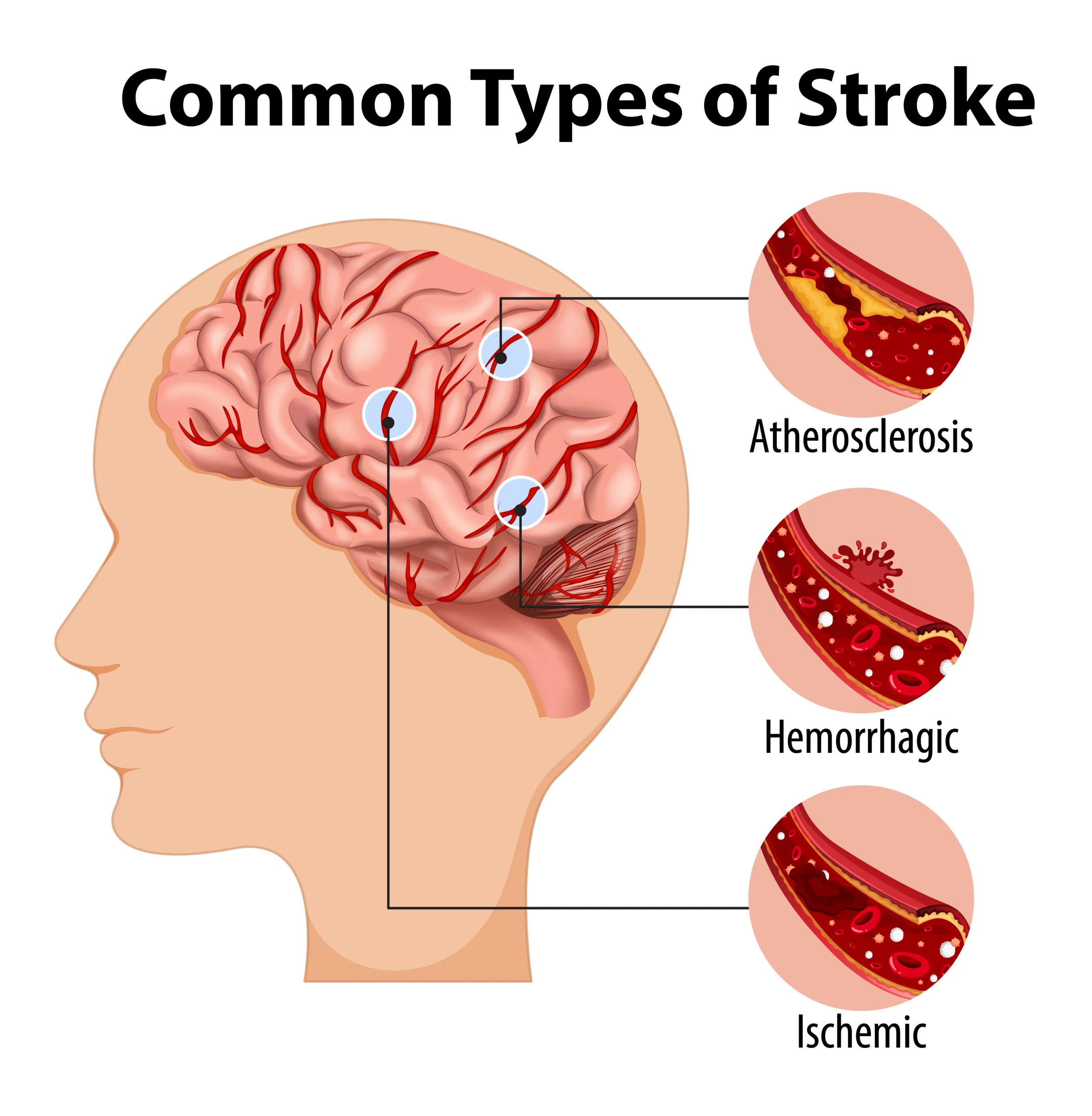
A stroke happens when blood supply to part of the brain is cut off or a blood vessel in the brain bursts. Brain cells begin to die within minutes without blood and oxygen. There are two main types:
The faster a stroke is treated, the more brain function can be protected. Delays are one of the biggest challenges in stroke care. Recognising the signs early and reaching a hospital with emergency and scan facilities can make a real difference to recovery.
The table below shows general patterns. Real cases can overlap, and only a doctor can tell them apart.
| Feature | Migraine | Stroke |
|---|---|---|
| How it starts | Gradually, over minutes to an hour | Suddenly, often within seconds |
| Headache | Throbbing, often one-sided; builds up | May be absent, or sudden and severe |
| Vision changes | Flashing lights, zigzag lines or spots that spread and then fade | Sudden loss of vision or double vision, often without flashes |
| Numbness or tingling | Spreads slowly, often fades within an hour | Sudden numbness or weakness, usually on one side |
| Weakness | Uncommon, except in rare types of migraine | Common: drooping face, weak arm or leg |
| Speech | May be briefly affected during an aura | Sudden slurred or confused speech |
| Nausea and light sensitivity | Very common | Less typical |
| Past history | Usually similar attacks before | Often the first time, or in someone with risk factors |
| What to do | See your doctor for a plan | Call for emergency help immediately |
Migraine with aura can cause numbness, vision changes and speech trouble, which are also stroke signs. A stroke can also bring a headache. Even doctors rely on an examination and scans such as a CT or MRI to be sure.
So, the safest rule is this: if the symptoms are sudden, new, one-sided, or you are in any doubt, treat it as a stroke and go to the hospital. A false alarm costs a few hours. A missed stroke can cost far more.
Many strokes are linked to risk factors that can be managed:
Rising rates of hypertension, diabetes and stress make awareness even more important.
Book an appointment with a doctor or neurologist if:
Keeping a headache diary of when attacks happen, how long they last and possible triggers helps your doctor a great deal.
Long-term exposure to polluted air is also linked with heart and blood vessel disease, so read our guide on air pollution and heart health.
You cannot be sure at home. A headache that is sudden and severe, or one that comes with weakness, a drooping face, slurred speech, sudden vision loss or loss of balance, needs emergency care right away.
Yes. Migraine with aura can cause vision changes, tingling and even brief speech problems. The difference is that these usually build slowly and fade, while stroke symptoms usually start suddenly. If you are unsure, go to the hospital.
Yes. Many strokes cause no headache at all. They show up as weakness, numbness, speech trouble, vision loss or loss of balance.
Yes. A TIA is a warning sign that a full stroke may follow. Get medical attention immediately, even if you feel normal again.
BE-FAST stands for Balance, Eyes, Face, Arm, Speech and Time. It is a quick checklist to spot a stroke and a reminder to call for emergency help without delay.
Migraine, especially with aura, is linked with a slightly higher long-term stroke risk. The risk for each person is small, but you should discuss it with your doctor and manage other risk factors.
No. Do not give any medicine, food or water. Call for emergency help and tell the medical team when the symptoms started.
Neurologists treat both. In an emergency, go to the nearest hospital emergency department first.
Disclaimer: This article is for general health awareness and is not a substitute for professional medical advice, diagnosis or treatment. In an emergency, call 112 or go to the nearest hospital immediately.
Copyright © 2026 Neuark Pharmaceutical All Rights Reserved